Karin Community Initiatives Uganda (KCIU) has been operating in Gulu District, Uganda since 2001. We are a faith based, registered local non-profit organisation seeking to improve the socio-economic wellbeing of the community through Primary Health Care, Education and Community Development Initiatives.
KCIU is best known for its establishment of the Karin Medical Centre (KMC) in the Unyama Parish, and the Agonga Karin Community Health Centre (AKCHC) in the Agonga Parish, Gulu Districtand Agape Christian School in Omoro District. These three centres form the basis of health care and community development services for approximately 21,000 people. Our Overall Goals are a Better service delivery and improved livelihood at household level. Our Mission is “Transforming lives, healing the community in a Christ-like way through provision of quality services and income generation.”Our Vision is “Touching lives through Christ”
Though the organization’s initial engagement was on providing emergency support to the communities during conflict, it evolved to providing development support. This change was determined from the needs exhibited by the community; high poverty level leading to poor access to health and education services and dependence on seasonal crop farming.
One of the problems facing KCIU is the limited scope of the current existing strategic plan; the strategic plan is specifically looking at the health sector and yet the organization has two other key sectors namely; education and livelihood sector. The effect of this is the health sector is still under-resourced and therefore limits its capacity to build the capacity of the health workers nor equip the facility with the necessary tools.
Secondly, there is poor connection within the structures of the organization i.e. Board, women/farmer groups and the education structures, this has led to poor coordination of the work by the different structures within the program setup of the organization. The livelihood sector has farmer groups and VSLA groups that have separate management structures.
The third problem is the low and or no funding for the livelihood sector and the livelihood program that is directly related to the conditions that are manifested in the health facility have no working plans.
Healthcare Services:
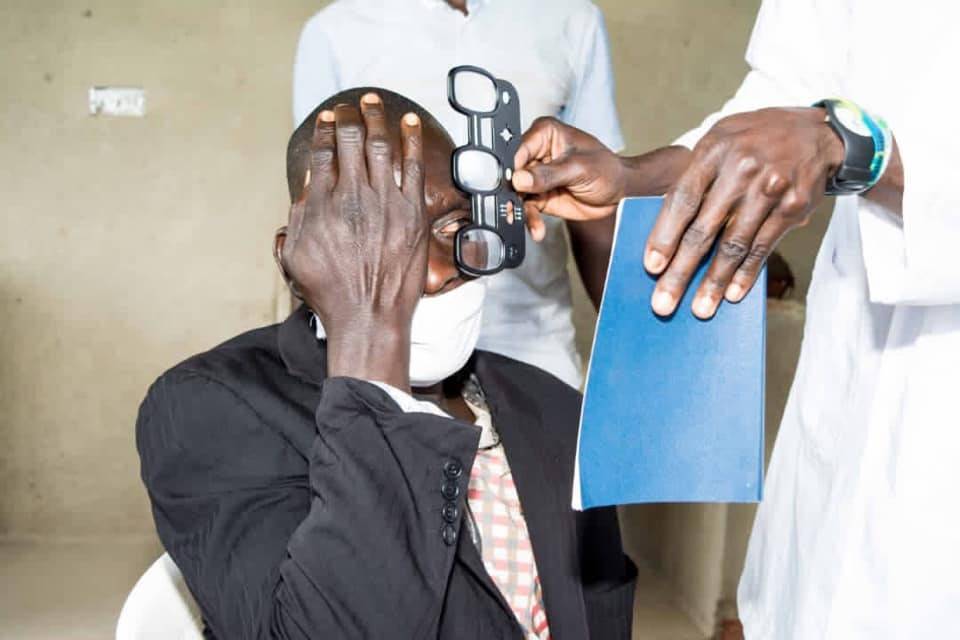
Our services to the community have expanded exponentially over recent years. While we have always prioritized quality health care for children, we have now expanded our focus to the wider community. In particular, we provide the following:
General outpatient care services in the communities
Community Interventions
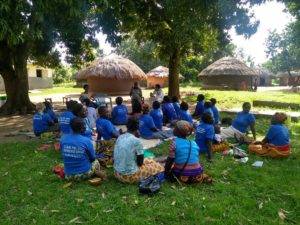
Community Education Program
1. General outpatient care services in the communities
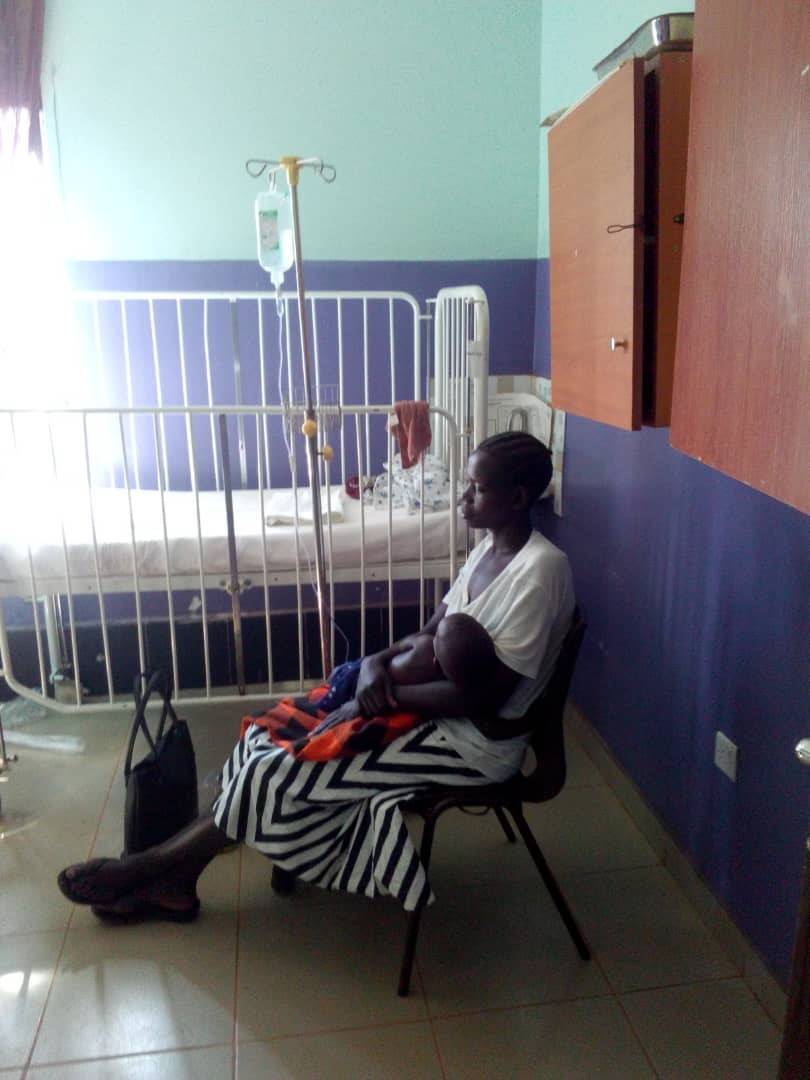
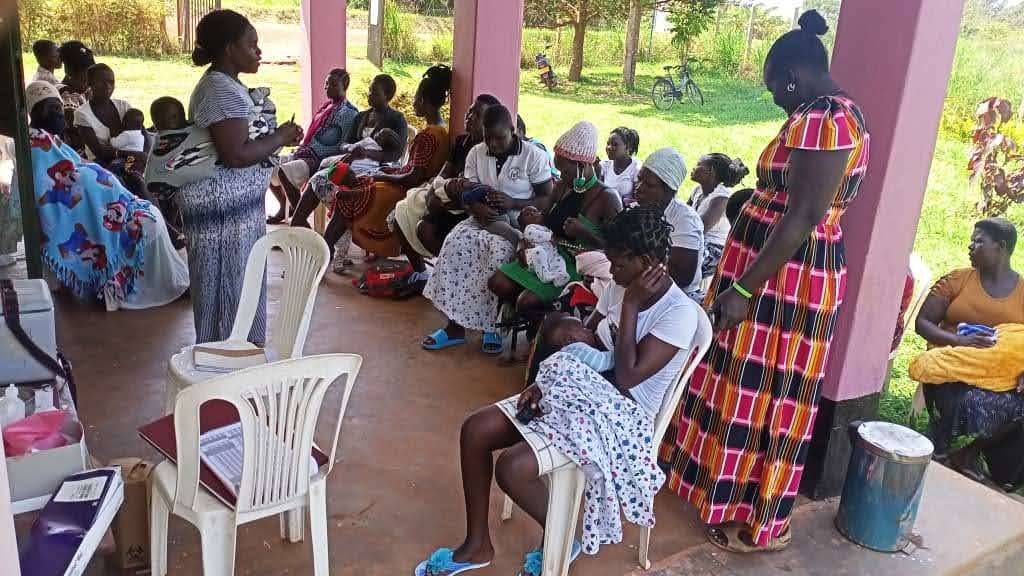
a. Maternal and child health care services;
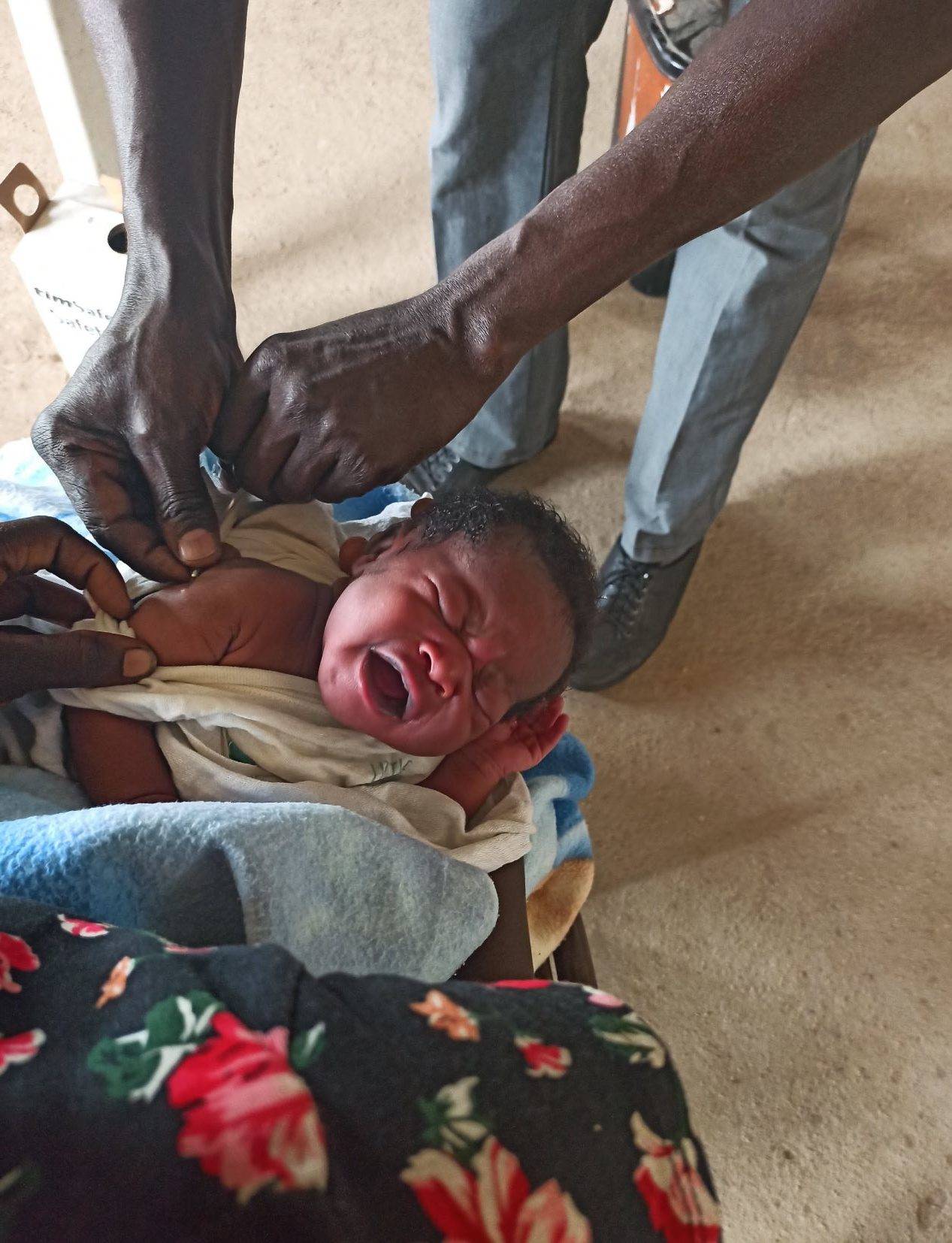
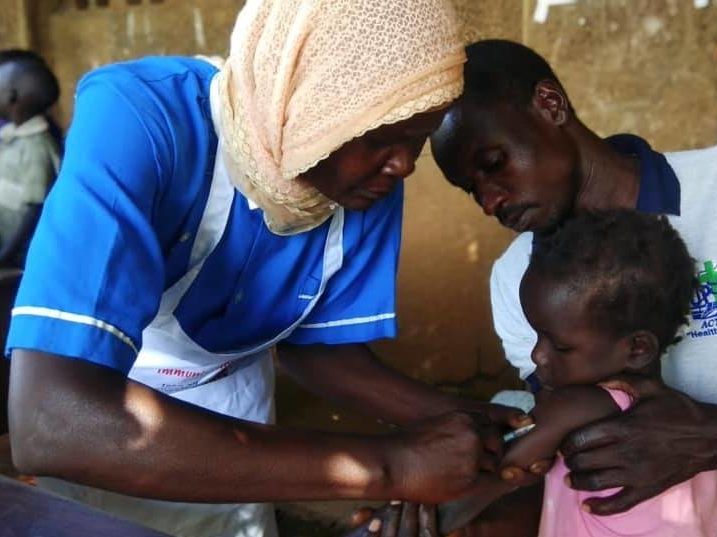
Extensive Immunization program to children and expectant mothers;
Basic health and nutrition services education;
Sexual and reproductive health interventions;
Promoting family planning methods across the community;
Antenatal, Delivery and postnatal services.
b. Communicable disease control
Testing and Treatment for HIV/AIDS/STIs
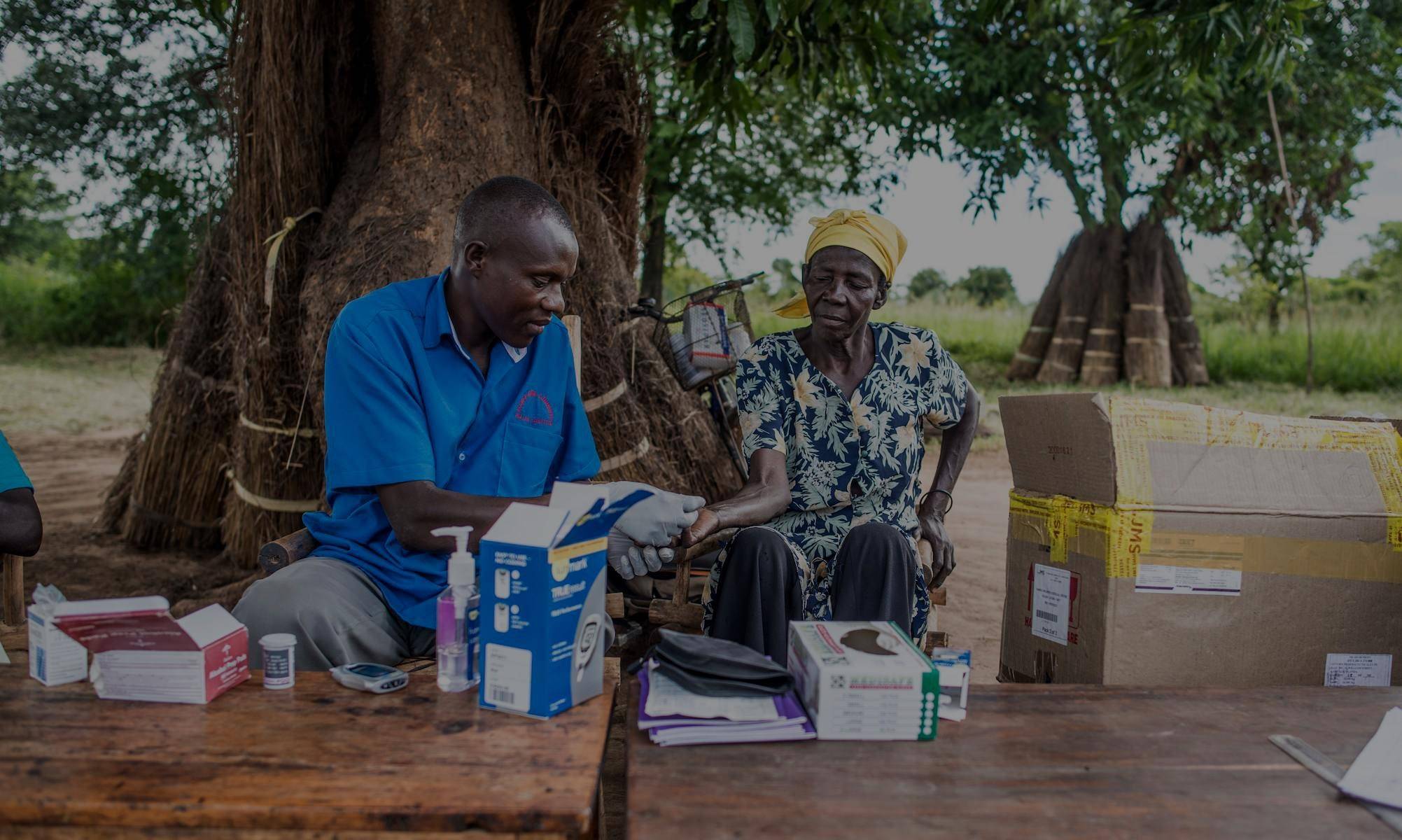
Testing and Treatment for Malaria, Tuberculosis and other communicable diseases
c. Health promotion, Disease Prevention and Community Health Initiatives
Increasing health awareness and promoting community participation and utilization of health services through health promotion, working with Village Health Teams (VHT);
Delivering basic health nutrition services and education:
Community Health Insurance.
d. Prevention and control of non-communicable diseases
2. Community Interventions
KCIU is engaged in:
Savings especially for women, 125 active groups are registered;
Small scale Modern farming for 44 farmers;
WASH and Energy saving programs; who are currently involved in social entrepreneurial activities.
3. Community Education Program
Christian Discipleship programs and sponsorship of children with over 46 churches ;
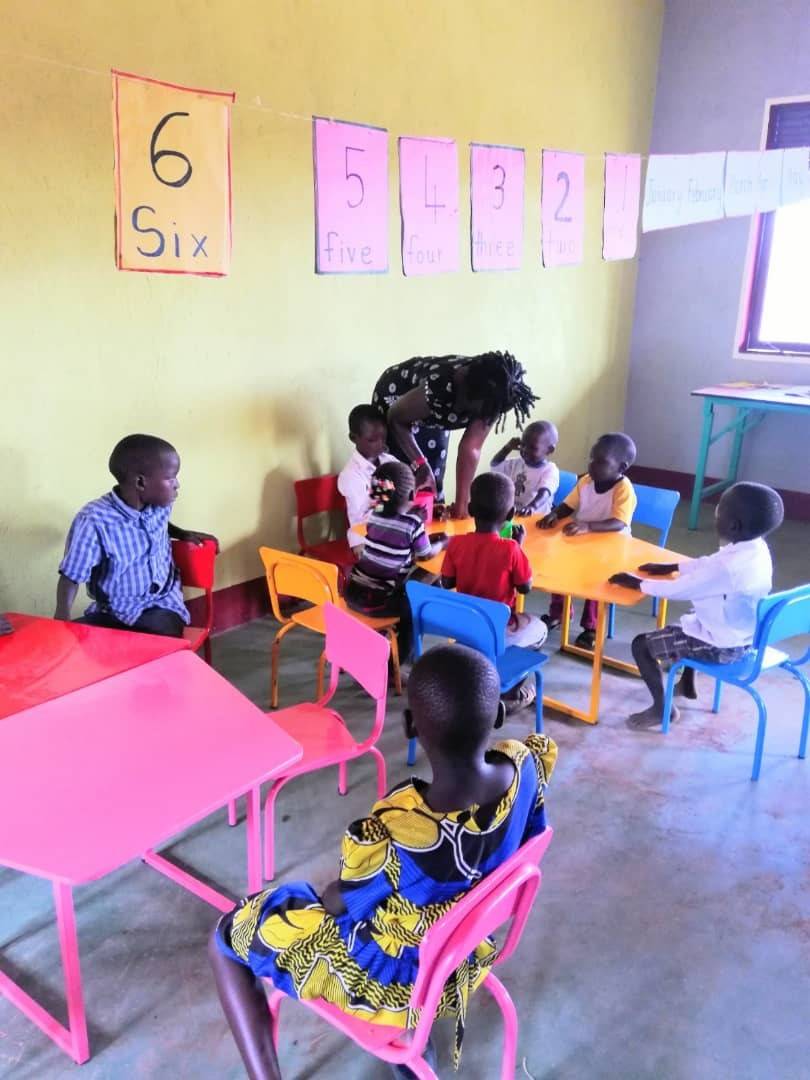
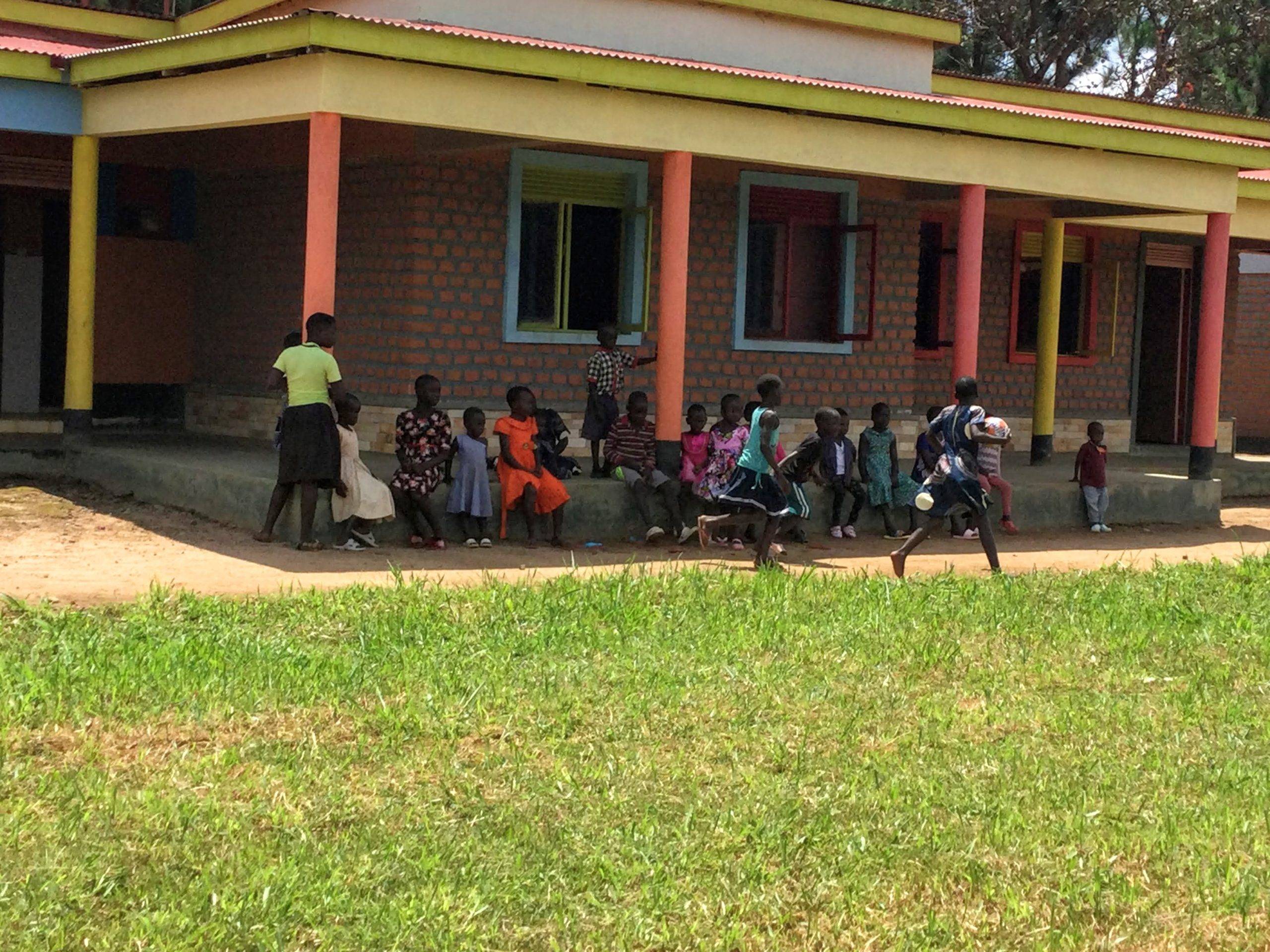
Early Learning and Primary Education at Agape Christian School
These projects work together to form our multi-faceted approach to health and development issues within the community.
Why give to this project?
This expansion of services has required the dedication of our development partners through technical and financial support:
Strengthening the capacity of health workers and health facilities to provide quality health service in Laliya and Unyama sub counties
Provide child education which integrates innovative health and nutrition approaches for excluded children in Acholi sub region.
Transforming families residing within the catchment areas of the health facilities with improved agricultural and nutrition practices and increased incomes.
A developed institution with robust structures that can deliver quality services.
1. Strengthening the capacity of health workers and health facilities to provide quality health service in Laliya and Unyama sub-counties.
Upgrade the infrastructures to serve clients
Scaled up health promotion and preventative health messaging;
Integrate Mental Health and Control of Substance Abuse Services, Malaria, Nutrition, TB & HIV/AIDS and NCDs along the continuum of RMNCAH;
Environmental Health and Sanitation Services;
Strengthen Epidemics and Disaster Preparedness and Response
2. Provide child education which integrates innovative health and nutrition approaches for excluded children in Acholi sub region.
Increasing access to equitable, quality, integrated, inclusive and developmentally appropriate early learning and stimulation opportunities and programs for all children in ;
Ensure that all targeted households are food secure and have proper nutrition for proper child growth and development;
Strengthen mechanisms for preventing and responding to abuse, exploitation and violence against children and their caregivers;
Strengthen and provide adequate and holistic care for children.
3. Transforming families residing within the catchment areas of the health facilities with improved agricultural and nutrition practices and increased incomes.
Increasing farm yields and outputs;
Empowering model farmers with sustainable livelihoods through dairy production, vegetable growing and energy stoves making
4. A developed institution with robust structures that can deliver quality services.
To strengthen leadership and governance systems;
To strengthen partnerships and collaborations;
To strengthen information management and knowledge translation;
*You will receive an official Canadian tax receipt for all eligible donations by the end of February of the following year. Thank you for your support of the mission and programs of The Great Commission Foundation (“GCF”).
*GCF operates on the basis of Donor-Advised Funding. It is our utmost goal to meet the Donor’s desire and intent to provide support to particular GCF projects but, ultimately, the responsibility for the disbursement and ministry use of funds is the Great Commission Foundation’s.