Need
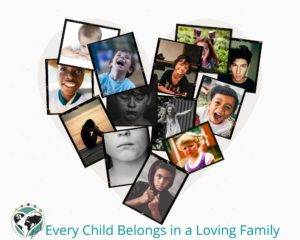
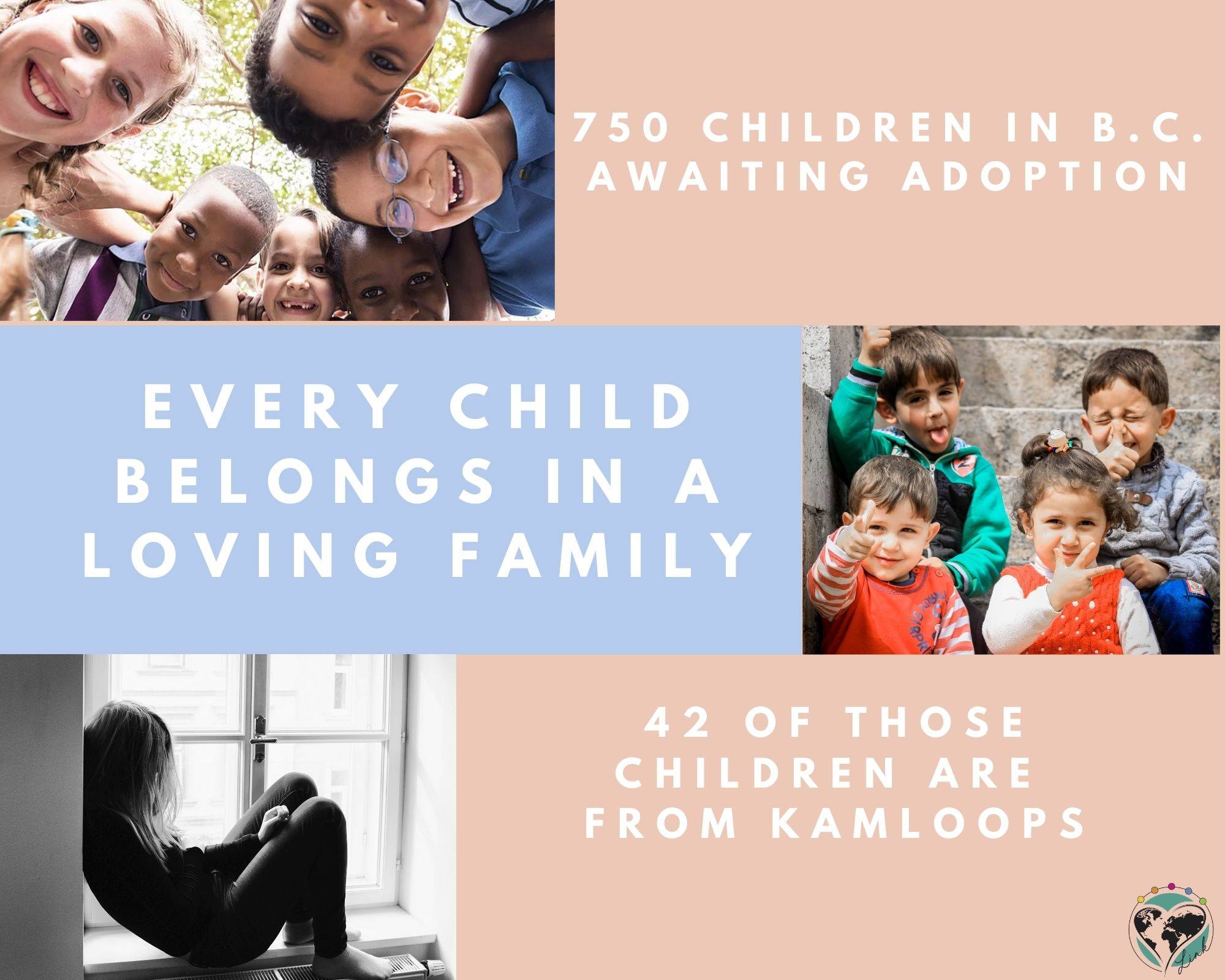
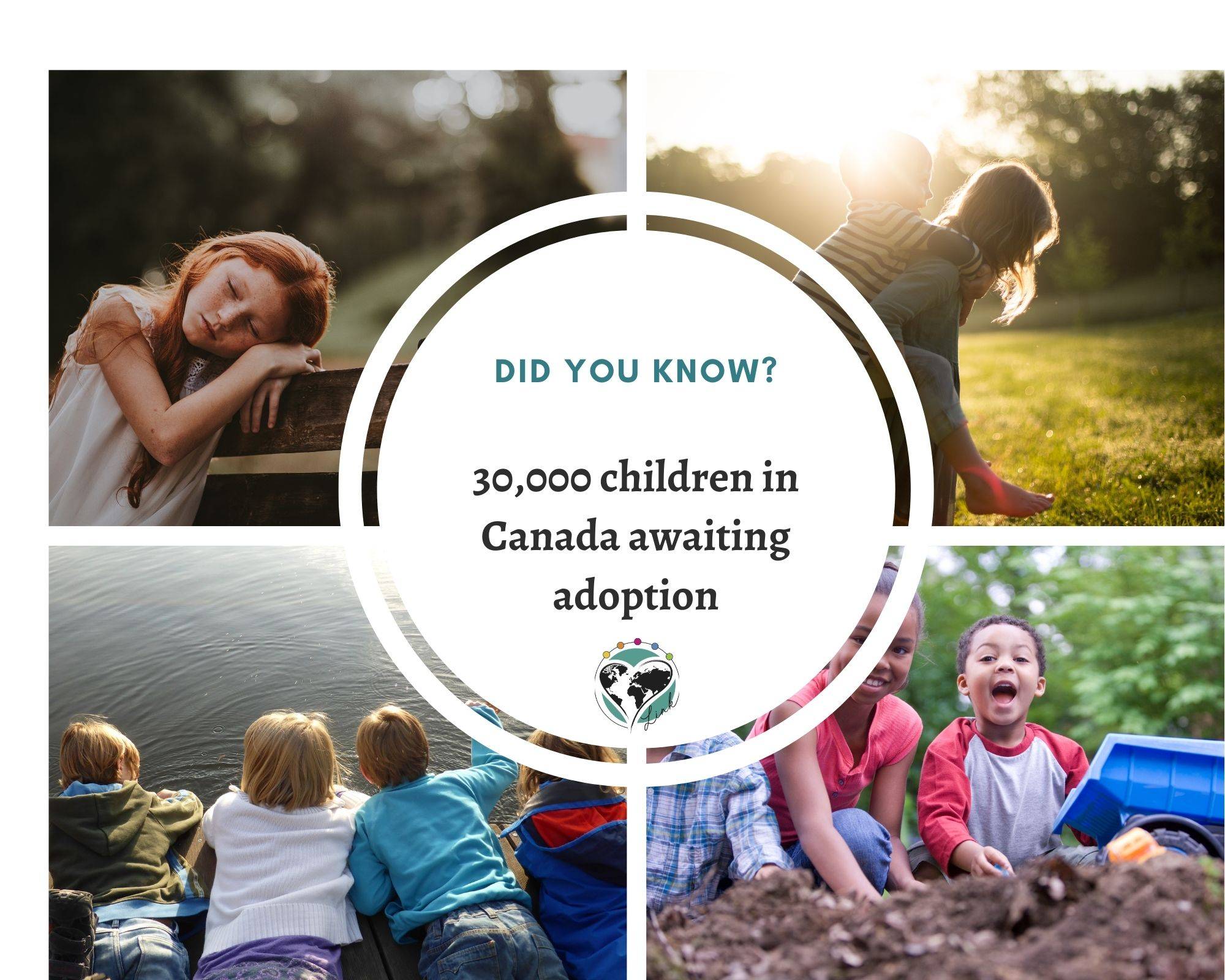
In 2019, it estimated there are approximately 78,000 kids in care across the country, and about half will become Crown or permanent wards—meaning the province is the primary legal guardian. In Kamloops, there are hundreds of children in care and 42 awaiting adoption in 2020.
The National Household Survey 2011 data approximates that nearly half of the foster children under age 14 in Canada are Indigenous. The First Nations Child and Family Caring Society of Canada estimate that Indigenous children comprise 30-40 percent of kids in care.
In British Columbia, there are over 8,900 children who do not live with their biological parents, and 65% of children in care are Indigenous. Still, only 10% of the general child population is Indigenous.
The commercial sexual exploitation of children is an issue not only abroad but, in our country, too. In Canada, between 2009 and 2016, 865 victims of human trafficking became known to police and one-quarter of the survivors were children under the age of 18. In the US, the FBI estimated more than 100,000 children, 60% of child sex trafficking victims recovered in 2013 were from foster care or group homes. When children are left without families to make them feel loved and cared about and are moved from one group home to another, the attention they crave and stability they desire can be easily met by a trafficker.
Today, COVID-19 and its consequences have created a remarkable climate of uncertainty that has rippled through all aspects of our society. In the past few months alone, several studies have shown the significant impacts already being felt across North America, though not all people are experiencing these effects equally. There is growing evidence that COVID-19 is disproportionately impacting certain populations across North America including:
- Those experiencing insecure, inadequate, or nonexistent housing conditions.
With the recent news of the 215 children found at the Kamloops Residential School, Prime Minister Justin Trudeau and several of his cabinet ministers acknowledged that First Nations, Inuit, and Metis children are indeed still being taken from their families in disproportionately high numbers and placed in foster care. The Village would like to take measures that are aimed at preventing children from ending up in crisis situations in the first place.
Solution
We believe that a loving Christ-centered family-based atmosphere that keeps family together, a caregiver with trauma training, a secure home, and a community of professional support staff creates a circle of love, hope, and belonging for families in need. These families will be part of a broader community of parents and children, who will assist each other with everyday tasks.
Our goal will be to build nine (9) homes and a Community Center in the city of Kamloops.
We recognize that building new homes must go together with sustainable development strategies that are ideal for the environment and human health. Therefore, our goal is to build sustainable and affordable housing that will aim at meeting the housing needs of a larger community by providing better social conditions and minimizing the lifecycle environmental impacts while having a positive physical and psychological impact on its inhabitants.
Participants will live in a home with a host family. They will be provided with transportation, and will share meals, chores, and maybe even new hobbies. Every family is unique in its complexity and demands. Our team will offer personalized care designed around each family’s unique needs and goals. We want to deliver successful outcomes through tailored programs that support children and families across the following areas:
- Families Support Programs such as Trust Based Relational Intervention
- Challenging behavior management through the Collaborative Proactive Solutions model
- Early Childhood Education and after school daycare
- Socio-Emotional Learning
- Youth Group Activities